
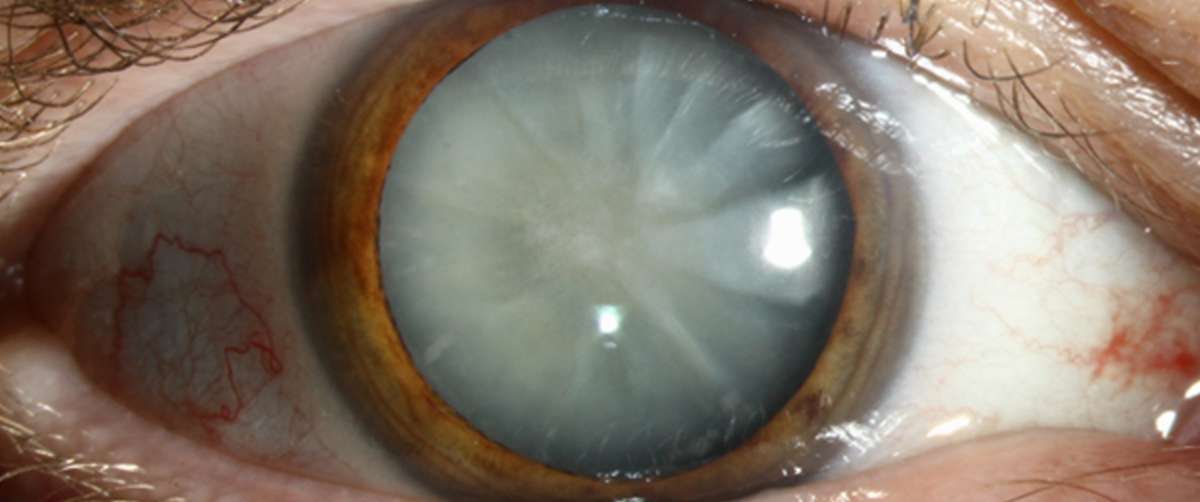
What are cataracts?
Cataracts develop when the eye’s natural lens becomes cloudy, affecting the clarity of vision. Although they are most commonly associated with ageing, cataracts can also occur due to certain medical conditions, medications, eye injuries or inherited factors.
Do you know that cataracts increase the risk of falls by about 30% in the elderly?
Experiencing Any of These Symptoms?
 Cataracts can make daily activities like driving inconvenient or even dangerous.
 Quality of vision is badly affected in presence of cataracts
Causes
- Ageing: Proteins in the eye’s natural lens gradually break down and clump together, causing clouding.
- Ultraviolet (UV) exposure: Long-term exposure to UV radiation may increase the risk of cataracts.
- Diabetes: Poorly controlled diabetes can increase the risk of developing cataracts.
- Medications: Long-term use of certain medications, including corticosteroids, may contribute to cataract formation.
- Eye injuries: Trauma to the eye can cause cataracts to develop.
- Genetic and developmental factors: Some cataracts are present at birth or develop during childhood.
Cataract Symptoms
Cataracts often develop gradually. As the lens becomes cloudier, you may experience changes in your vision, including:
- Blurred or cloudy vision
- Increased sensitivity to light and glare
- Difficulty seeing clearly at night
- Faded or less vibrant colours
- Halos around lights
- Frequent changes in eyeglass prescription
- Double vision in some cases
What Are the Different Types of Cataracts?



Explore Your Cataract Treatment Options
When to Consider Cataract Surgery
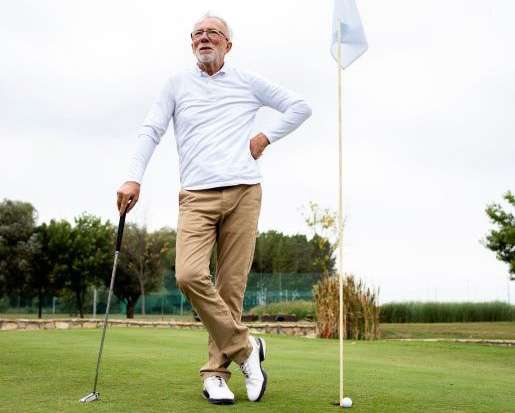
Consider cataract surgery when visual impairment affects daily life or when it stops you from enjoying your favorite activities such as reading, playing sports, or driving safely.
Studies have shown that older people with cataracts are more likely to suffer from falls and fractures. Cataract surgery is highly recommended when vision loss affects mobility or safety.
How Are Cataracts Treated?
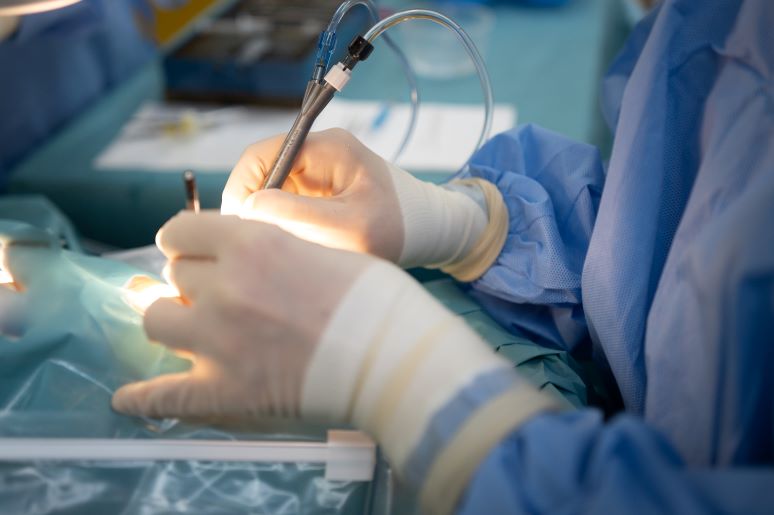
Cataract surgery is a common outpatient procedure aimed at restoring vision. During surgery, the cloudy lens is replaced with an artificial lens.
Modern cataract surgery is routinely done using phacoemulsification (ultrasound energy) but more complex cases may benefit from the addition of the femtosecond laser technology. Surgery is painless and with small incision surgery, recovery is quick and easy.
Cataract Lens Implant Options
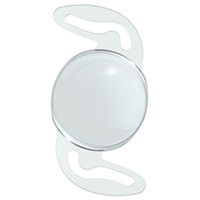
There is a large variety of lens implants available to cater to different desired postoperative outcomes. Monofocal, multifocal, extended-depth-of-focus (EDOF), and toric lenses are now able to correct pre-existing refractive errors, minimizing the need for glasses after surgery.
Monofocal lens
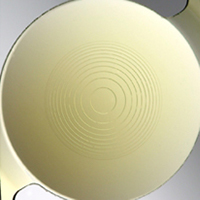
Multifocal lens and EDOF lens
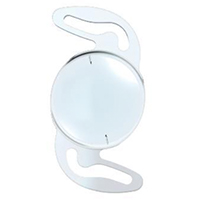
Toric lens
FAQs about Cataracts
There is currently no effective treatment for cataracts other than surgery. Eyedrops and oral medication have not been proven to work, and there are no food or vitamin supplements that can make cataracts go away.
If not removed, cataracts will continue to harden and vision will worsen. These hyper mature cataracts will then become more difficult and riskier to remove in the future.
In rare situations, a hypermature cataract may swell up in the eye and cause a sudden rise in eye pressure. This dangerous condition is a type of cataract-induced glaucoma (acute angle closure glaucoma) which can lead to permanent optic nerve damage and irreversible visual loss. Emergency surgery would then be necessary and the outcome could be poor despite treatment.
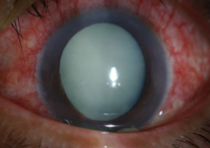 An overly mature (intumescent) cataract causing angle closure glaucoma. Emergency treatment is needed to prevent permanent loss of vision.
A large range of intraocular lens implants can now be used to correct pre-existing short-sightedness, long sightedness, astigmatism and presbyopia (老花). This means that a patient’s unaided vision (i.e. vision without glasses) after cataract surgery can often be even better than before the cataracts developed.
You will need to discuss the features of each type of lens with your eye surgeon in order to decide which lens implants are most suitable for you. The decision should be made based on your needs, lifestyle and pre-existing eye condition.
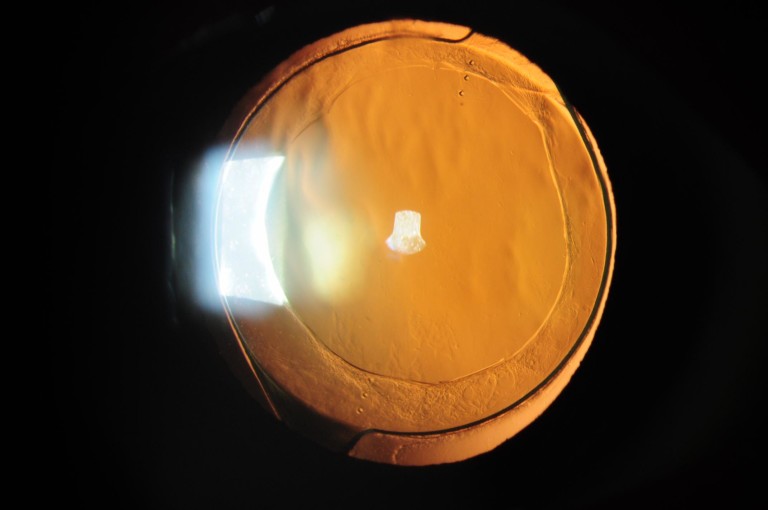 A toric lens with the three alignment dots on opposite sides of the lens is used to reduce pre-existing astigmatism.
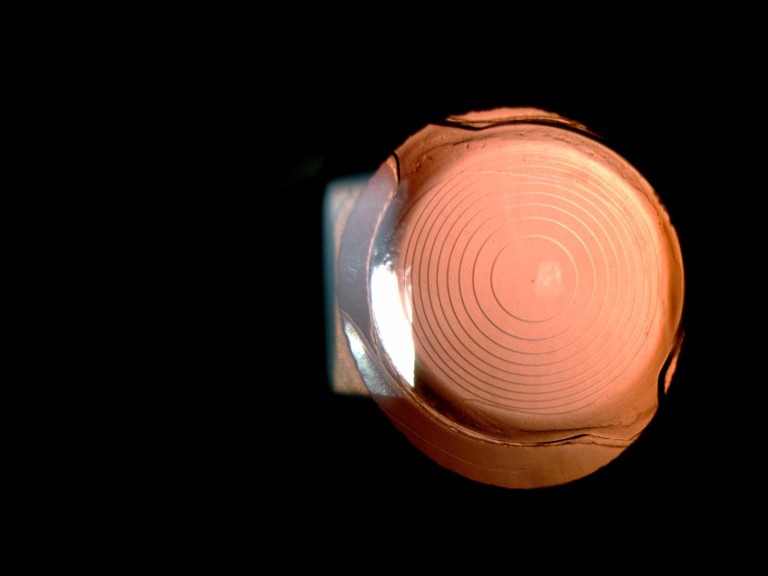 Multifocal lens implants have rings which correct for distance, near and intermediate vision. This mean that many patients who have this lens are spectacle free or require glasses only for extremes of distances.
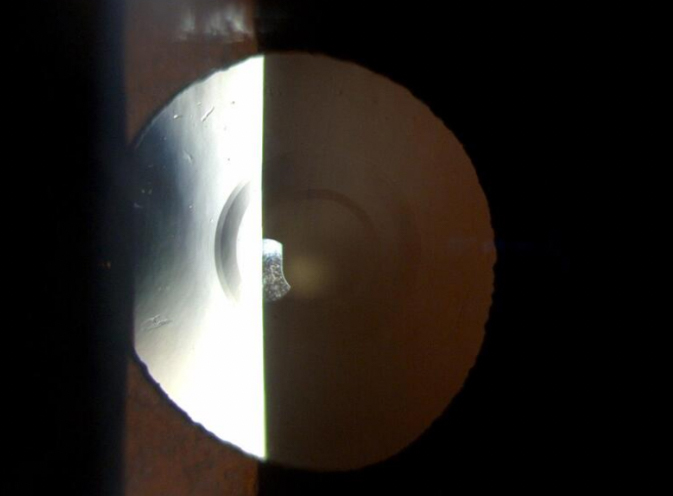 The extended range of focus (EDOF) lens has fewer rings than the full multifocal lenses and corrects for a smaller range of distances. Some people who are unsuitable for multifocal lenses may be able to use EDOF lenses instead.
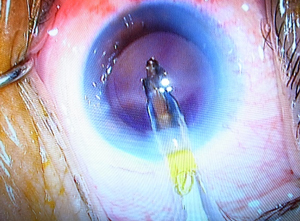
Cataracts do not ‘grow back’ after cataract surgery. However, some patients may experience blurring of vision again years after the surgery because the natural partition of the eye (posterior capsule) behind the lens implant can become cloudy again. This posterior capsule opacification (PCO) is easily and painlessly treated with a “YAG laser”.
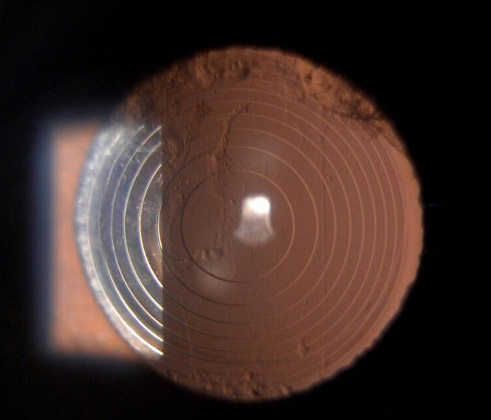 Cloudiness in the posterior capsule of the eye can cause vision to be blurred again years after a cataract surgery.
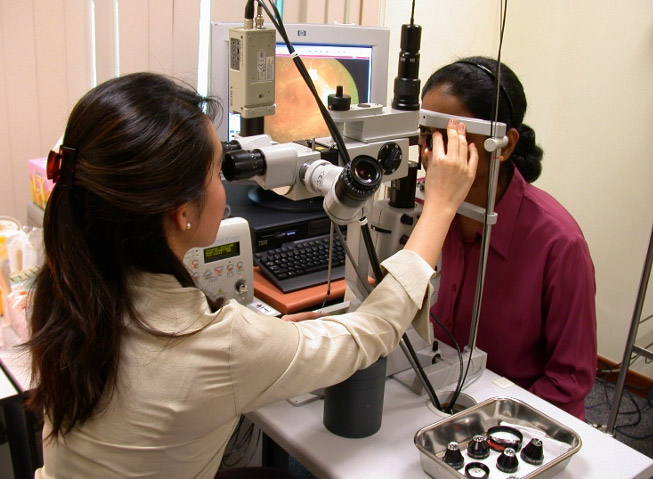 YAG laser in progress to remove the posterior capsule opacification (PCO) and restore vision.